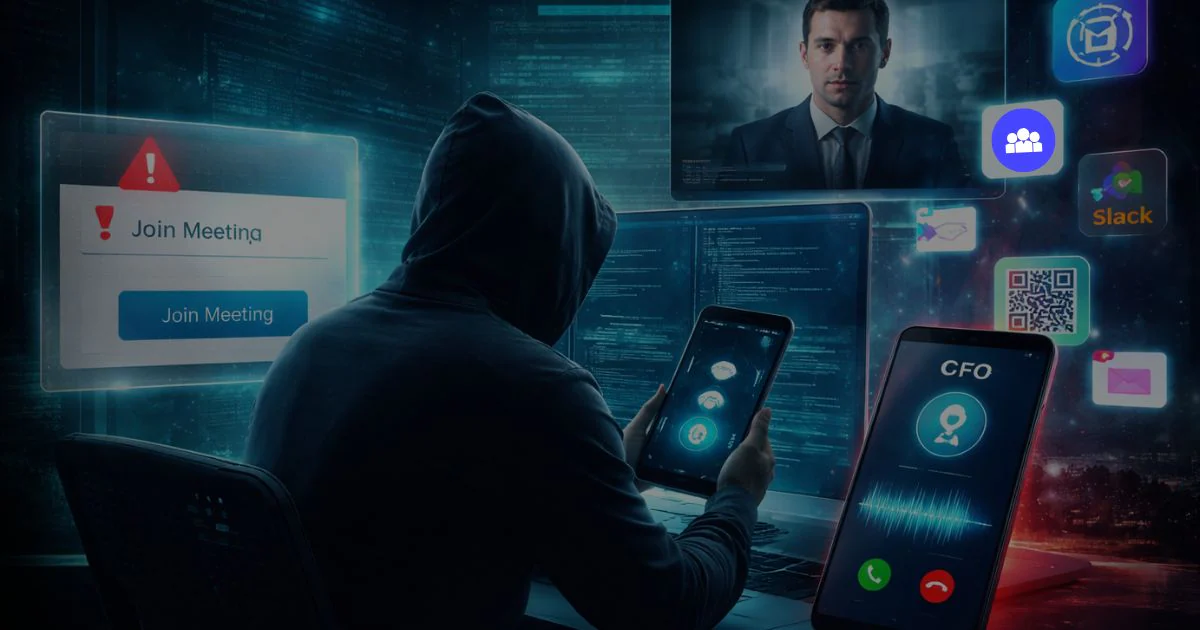
Phishing isn’t just about shady emails anymore. It’s evolving, and fast. In 2026, attackers will go after the very tools we trust most: calendars, collaboration apps, and even our voices. Based on the growing trends at the end of 2025, here are our predictions for what’s coming, and why it matters to you.
1. Calendar-Invite Phishing: When “Join Meeting” Isn’t Safe
Imagine this: You’re rushing to join a Zoom call, click the invite, and, boom, you’ve just handed over access to your mailbox and files. Sounds scary? It’s happening.
Attackers are sneaking malicious links into .ics calendar invites or fake Teams meetings. These invites often auto-add to your calendar, bypassing email filters because they look legit. One click on “Join” can trigger an OAuth consent screen, giving attackers persistent access.
Bottom line: In 2026, your calendar could be the weakest link
2. AI & Deepfake-Enhanced Phishing: Too Real to Ignore
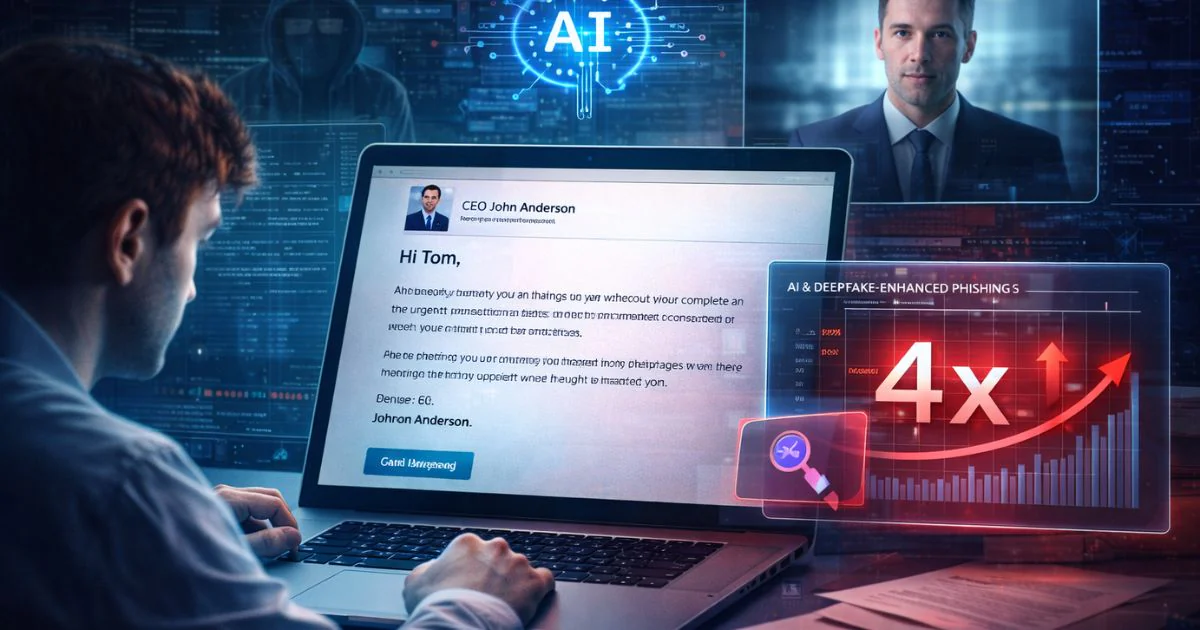
AI has made phishing smarter than ever. No more broken English or awkward phrasing, these emails sound like your boss wrote them. And deepfakes? They’re the icing on the cake.
AI-generated phishing emails are now 4x more likely to deceive recipients thanks to personalization and flawless language. If you think you can “spot the fake,” think again. These attacks adapt in real time. Traditional filters? May not be enough.
3. Vishing with AI-Driven Interactive Voice
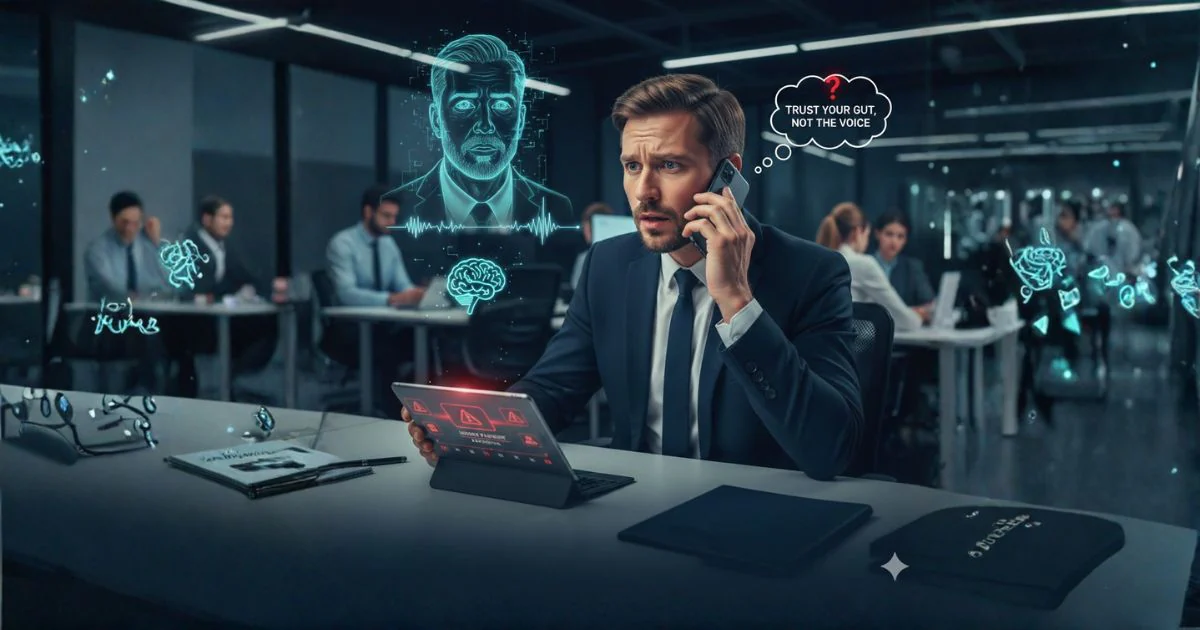
Picture this: You get a call from your CFO asking for urgent payment approval. The voice sounds perfect and highly interactive, because it’s cloned from a few seconds of real audio.
AI-powered vishing is exploding. These interactive calls feel real, and they’re targeting finance and HR teams hard. Organizations need strict call-back verification and staff training. Trust your gut, not the voice.
4. Non-Email & Multichannel Phishing: Beyond the Inbox
Phishing isn’t just in your inbox anymore. It’s on Teams, Slack, SMS, even QR codes.
Attackers know we trust internal chats and quick scans.
Microsoft Teams phishing attacks exploit the platform’s chat and collaboration features to trick users into revealing credentials or downloading malware through fake links, attachments, or impersonated IT support messages etc., many employees are falling for it.
If your security strategy stops at email, you’re already behind.
5. Supply Chain Attacks: Trust Turned Against You
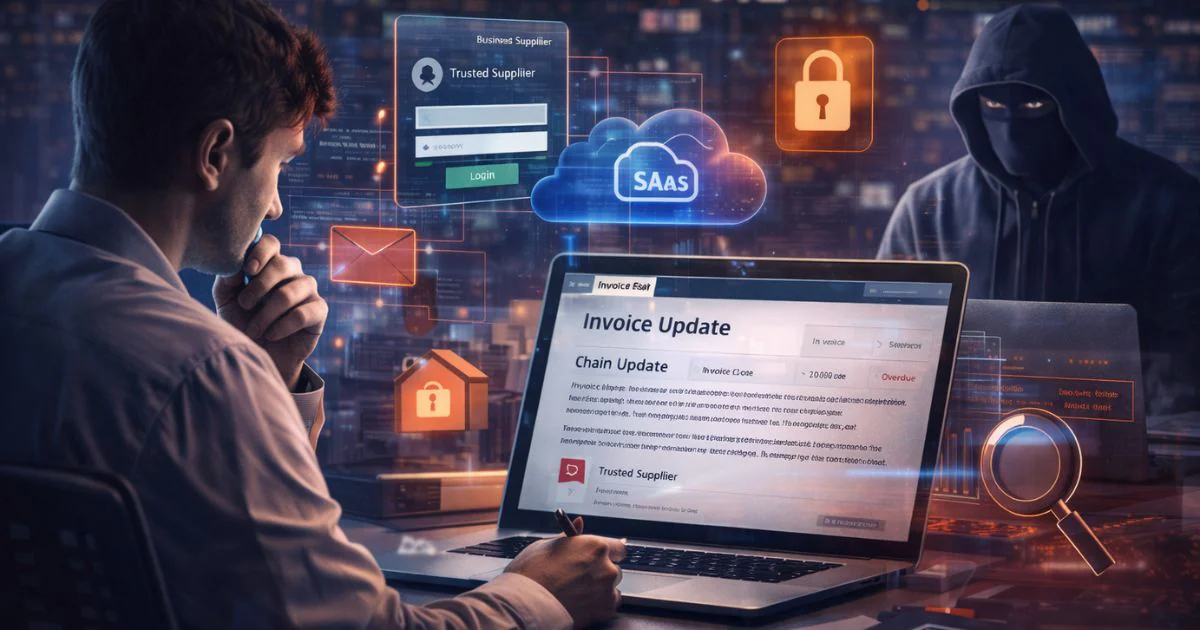
The people you trust, vendors, partners, could be the entry point.
Attackers compromise supplier emails, portals, helpdesk or SaaS apps, then send phishing disguised as invoice updates or compliance requests. It looks routine.
And when trust is exploited, the fallout isn’t just financial, it’s reputational.
What This Means for You
Phishing in 2026 will be smarter, stealthier, and everywhere. Defences must go beyond email filters. Think:
- Multichannel phishing simulations
- Monitoring across chat, SMS, and QR workflows
- Vendor risk management and supply chain validation
The game has changed. The question is, are you ready to face the 2026 phishing challenge?
How PhishPrep Helps You Stay Ahead
PhishPrep is built for the future of phishing defence:
- Multichannel Simulation – Email, Teams, Slack, SMS, and QR-based attacks
- AI-Powered Scenarios – Deepfake voice and video phishing drills
- Supply Chain Risk Training – Vendor impersonation and invoice fraud simulations
- Flexible Deployment – SaaS or On-Premises for complete control