Phishing remains one of the most common entry points for cyberattacks in India. From credential theft and business email compromise to financial fraud and ransomware, many cyber incidents begin with a single employee being deceived into taking an action they believe is legitimate. CERT-In’s awareness materials continue to identify phishing and vishing as major threats facing individuals and organizations alike.
What CERT-In Actually Requires
CERT-In serves as India’s national agency for responding to cybersecurity incidents and issues directions, advisories, vulnerability notes, and best-practice guidance to strengthen cybersecurity across the country. Its responsibilities include cyber incident response, dissemination of threat information, issuance of security advisories, and promotion of cybersecurity best practices.
CERT-In’s Cyber Security Awareness Booklet specifically highlights phishing and vishing as common attack methods used by cybercriminals to trick victims into sharing credentials, financial information, and other sensitive data. The guidance emphasizes user awareness, verification, and reporting suspicious activities.
Similarly, CERT-In advisories frequently recommend:
- Strong authentication and MFA
- Email filtering
- Employee awareness
- Incident response planning
- Monitoring and detection of suspicious activity
These recommendations are directly relevant to defending against phishing-based attacks.
The Shift from Awareness to Readiness
Most organizations already conduct some form of cybersecurity awareness training. Employees attend webinars, complete online modules, and acknowledge security policies.
The challenge is that awareness does not always translate into behavior.
Employees often understand phishing risks in theory but struggle when faced with:
- Urgent requests from apparent executives
- Convincing voice calls
- Fake IT support interactions
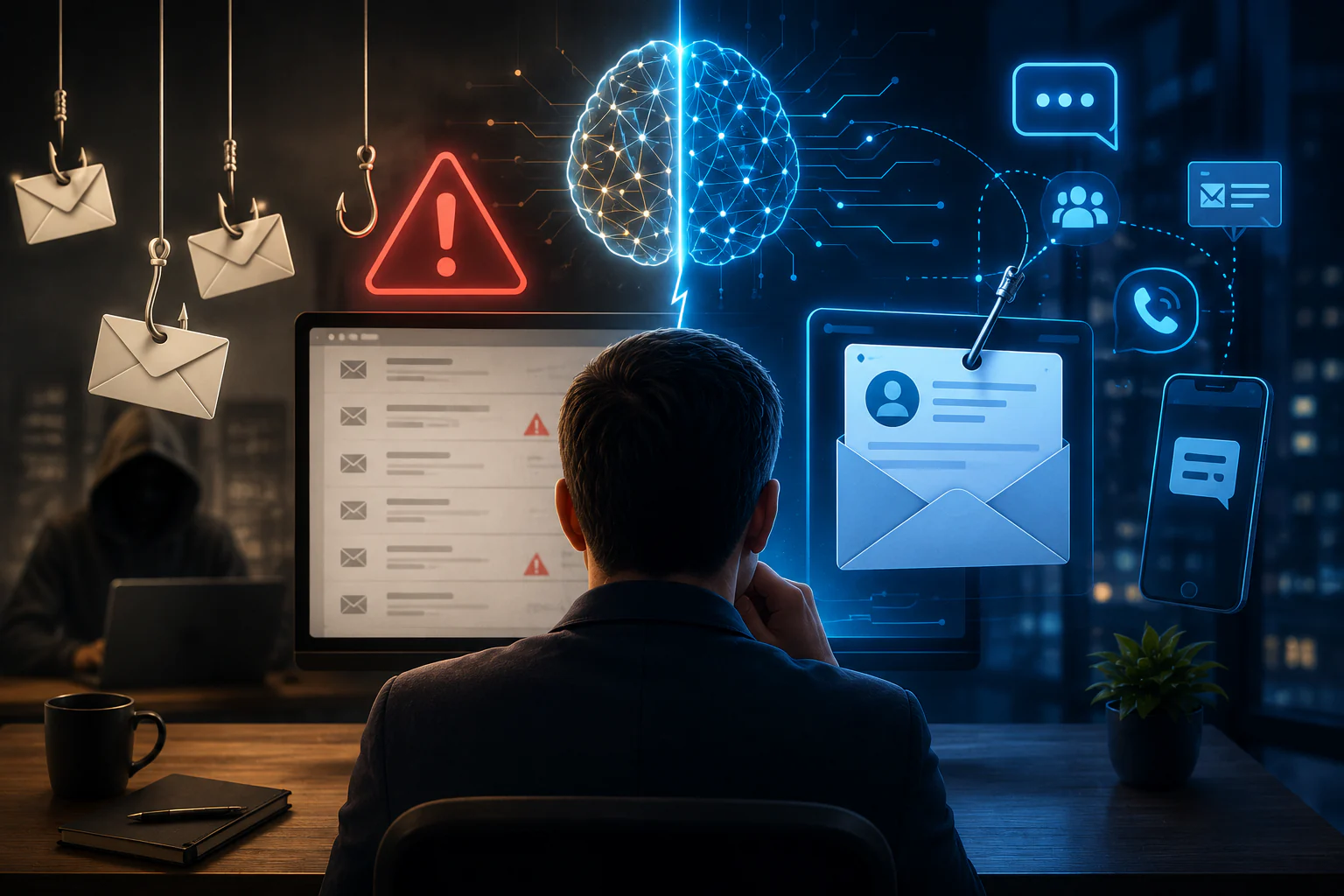
- Multi-channel attacks spanning email, Teams, WhatsApp, and phone
This is where phishing simulations create value.
Rather than measuring what employees know, simulations evaluate how employees respond when confronted with realistic attack scenarios.
Why Phishing Simulations Support CERT-In Expectations
Even though CERT-In does not explicitly mandate phishing simulations, testing can help organizations strengthen several areas that CERT-In consistently promotes.
Incident Readiness
Organizations that conduct regular phishing simulations tend to identify attack indicators faster and escalate suspicious activity more consistently.
This supports broader incident preparedness objectives and improves the likelihood of timely reporting and response when a genuine event occurs.
Security Awareness Effectiveness
CERT-In repeatedly emphasizes cybersecurity awareness as a foundational defense against cybercrime. Simulations provide a practical mechanism for validating whether awareness initiatives are producing the intended outcomes.
Response Process Validation
Attackers don’t target technology alone. They target business processes.
Phishing exercises help organizations evaluate:
- Verification procedures
- Escalation workflows
- Reporting mechanisms
- Helpdesk processes
- Finance approval procedures
These are often the exact processes attackers attempt to exploit.
What Indian Organizations Should Be Testing Today
The phishing landscape has changed significantly in recent years.
Organizations should consider testing beyond traditional email-based attacks.
Modern scenarios may include:
Voice Phishing (Vishing)
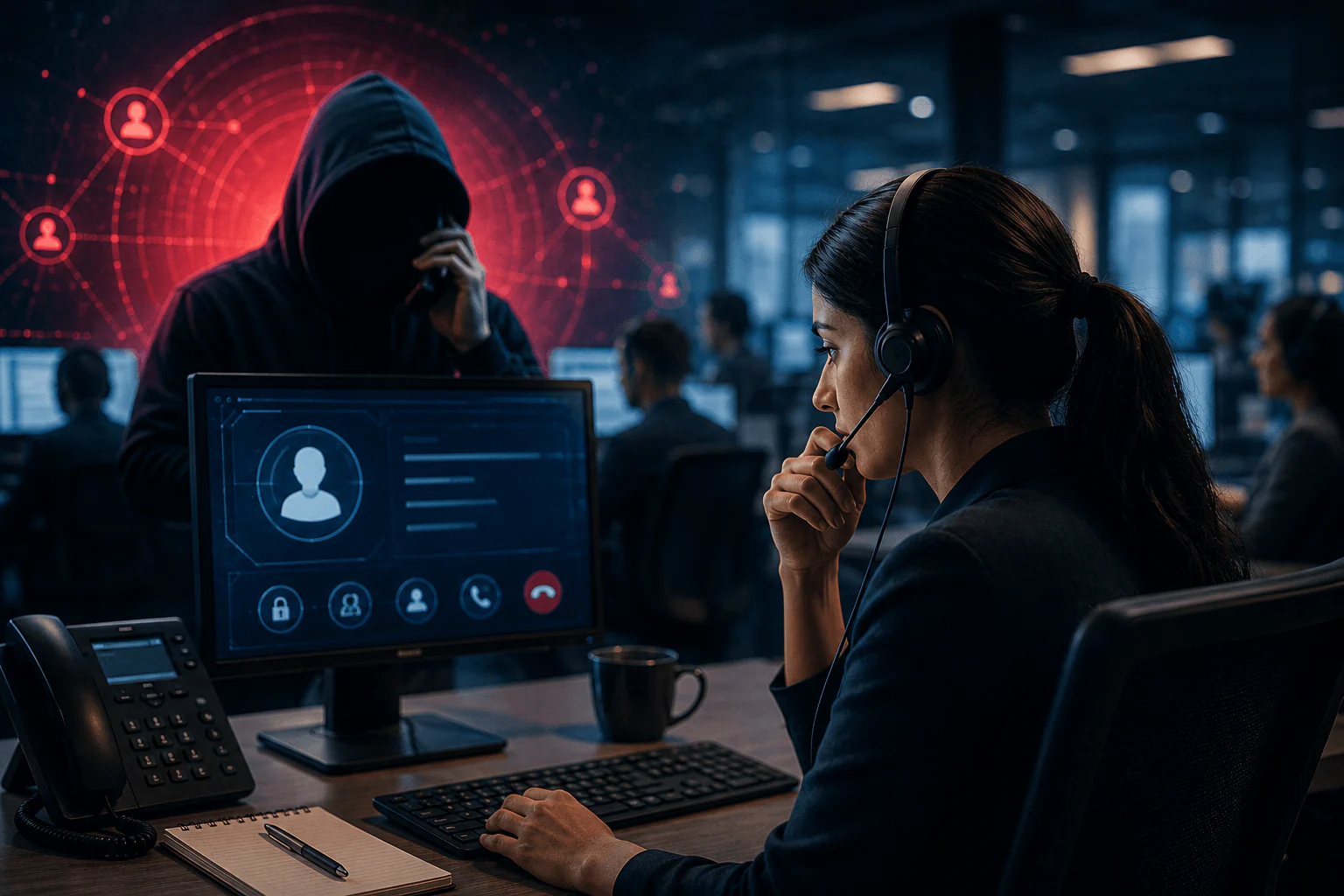
Attackers impersonating banks, internal support teams, vendors, or executives over the phone. CERT-In’s awareness guidance specifically highlights vishing as a growing attack technique. See how voice phishing simulation works.
Executive Impersonation
Attackers posing as senior management and requesting urgent payments or sensitive information.
Helpdesk Social Engineering
Attempts to reset credentials, enroll new devices, or bypass MFA controls through support workflows. Read more in our guide to helpdesk phishing attacks.
Collaboration Platform Attacks
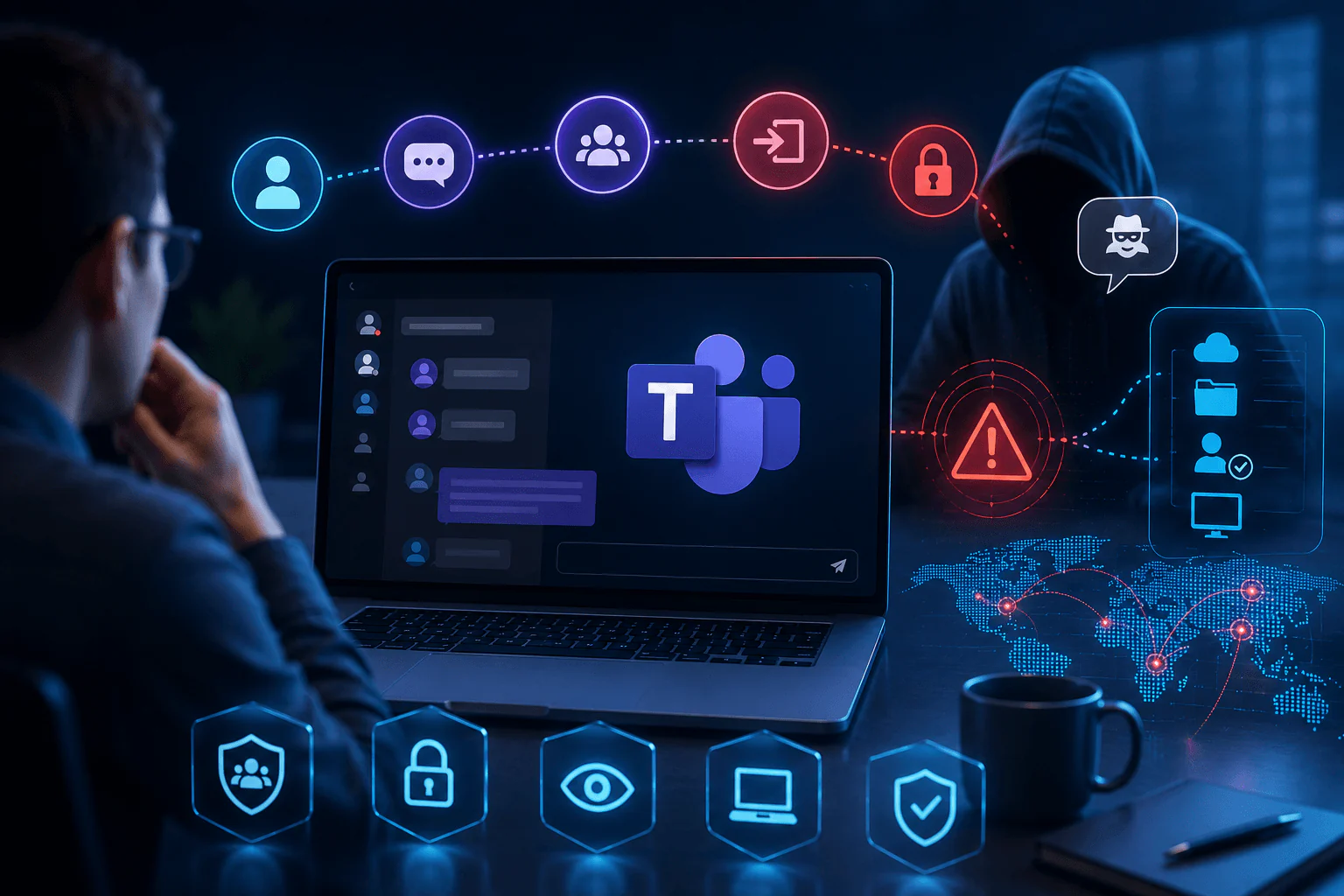
Impersonation and phishing attempts delivered via Microsoft Teams, WhatsApp, or other communication channels.
AI-Assisted and Deepfake Scenarios
Increasingly realistic attacks involving synthetic audio, video, and highly personalized phishing content. Learn about deepfake simulation.
Beyond CERT-In: Sector-Specific Expectations
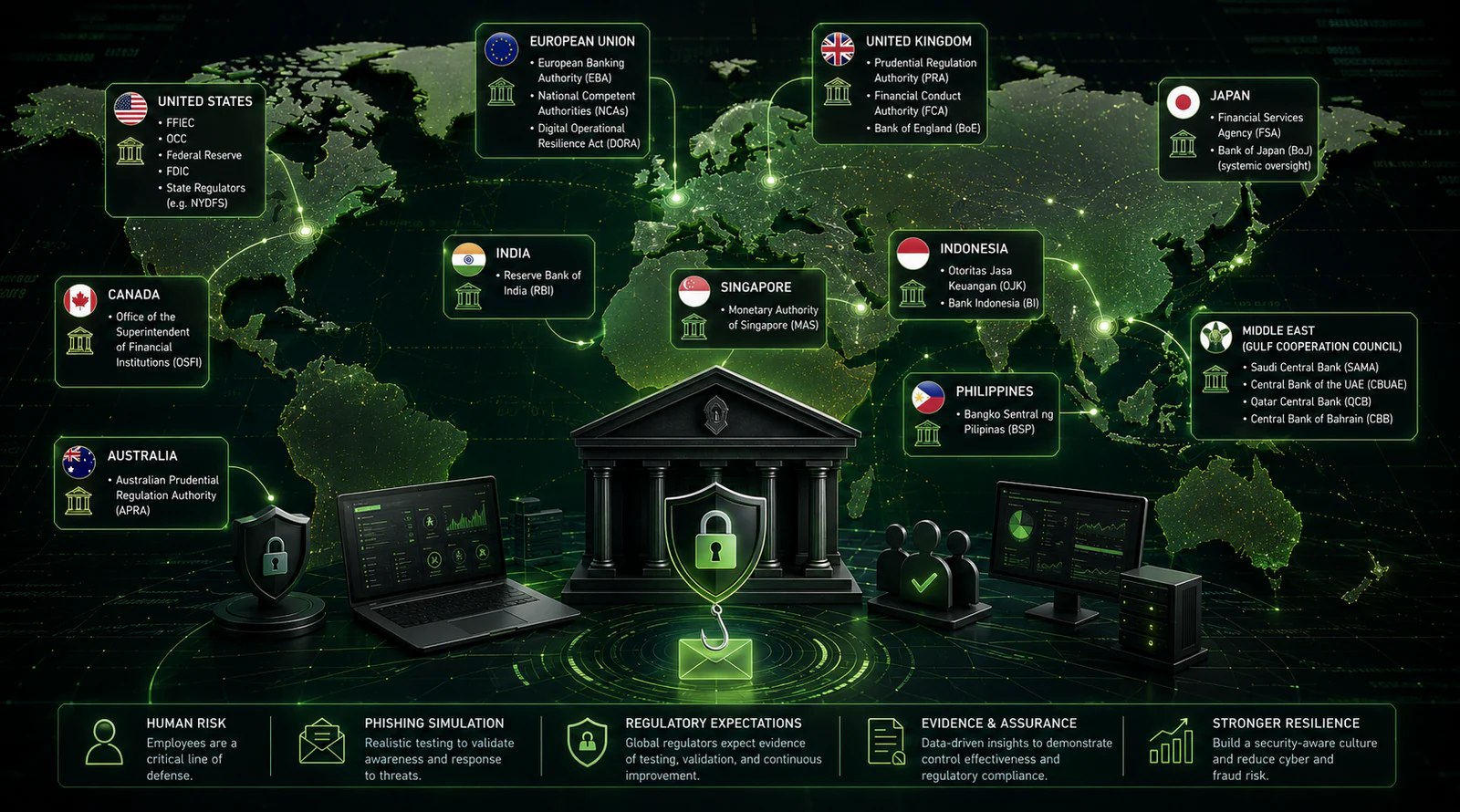
Organizations operating in regulated sectors such as banking, financial services, insurance, and critical infrastructure may also face additional expectations from sector-specific regulators.
These regulators increasingly focus on:
- Human risk management
- Operational resilience
- Fraud prevention
- Security awareness effectiveness
As a result, many organizations now treat phishing simulation as part of their broader cyber resilience strategy rather than a standalone awareness activity.
What Good Phishing Simulation Looks Like
Effective phishing simulation programs are not designed to embarrass employees or generate click-rate reports.
The most mature programs:
- Reflect current attack techniques
- Include role-specific scenarios
- Test high-risk groups separately
- Incorporate voice and multi-channel attacks
- Provide immediate feedback and learning opportunities
- Measure behavioral improvement over time
The goal is not to “catch” users. It is to prepare them.
Final Thought
CERT-In does not currently mandate phishing simulation testing. However, it consistently emphasizes cybersecurity awareness, preparedness, incident readiness, and protection against phishing and vishing threats. Organizations that rely solely on annual awareness programs may find it difficult to assess whether employees can recognize and respond to modern attacks under real-world conditions.
Phishing simulations bridge that gap by turning awareness into measurable readiness. In an environment where attackers increasingly exploit human decision-making rather than technical vulnerabilities, realistic testing has become one of the most effective ways to strengthen organizational resilience.
CERT-In and phishing simulation: FAQ for Indian security, compliance and IT teams
Questions we hear from CISOs, compliance heads, IT and helpdesk leaders, smaller businesses and buyers in India.
1. As a CISO in India, does CERT-In require phishing simulation testing?
No. CERT-In does not currently mandate phishing simulation testing. It does consistently emphasize cybersecurity awareness, preparedness, incident readiness and protection against phishing and vishing. Simulation is a practical way to show that those expectations are working in practice, not a box CERT-In asks you to tick.
2. As Head of Compliance, how does simulation help us show readiness against CERT-In expectations?
It tests whether awareness turns into behaviour. Simulations validate awareness effectiveness, verification procedures, escalation workflows, reporting mechanisms, helpdesk processes and finance approval procedures, which are the processes attackers try to exploit. Treat the results as supporting evidence next to your policies and training records, and confirm the wording with your own compliance adviser.
3. We are a smaller business (MSME). What does CERT-In advise us to do?
CERT-In advisories frequently recommend strong authentication and MFA, email filtering, employee awareness, incident response planning, and monitoring for suspicious activity. For smaller businesses, CERT-In has also published advisory CIAD-2025-0018, "Essential Measures for MSMEs", which is listed in the references below. Phishing simulation helps you check the employee awareness part.
4. We are in banking, financial services or insurance. Is CERT-In the only expectation?
No. Regulated sectors such as banking, financial services, insurance and critical infrastructure may also face expectations from sector-specific regulators, who increasingly focus on human risk management, operational resilience, fraud prevention and the effectiveness of security awareness. See our guide to banking regulators and phishing simulation, which covers the RBI, and our India page.
5. As an IT or helpdesk head, what should we test beyond email?
Voice phishing (vishing), executive impersonation, helpdesk social engineering such as credential resets, new device enrolment and MFA bypass, attacks over collaboration platforms such as Microsoft Teams and WhatsApp, and AI-assisted or deepfake scenarios. These are the attacks that move across email, chat and phone, so test them together.
6. How do we run simulations without embarrassing employees?
Effective programs are not designed to embarrass employees or to produce click-rate reports. They reflect current attack techniques, use role-specific scenarios, test high-risk groups separately, give immediate feedback and learning, and measure improvement in behaviour over time. The goal is not to catch users. It is to prepare them.
7. As a buyer in India, what should I look for in a phishing simulation platform?
Look for realistic scenarios across email, voice and collaboration channels, role-based campaigns, multilingual testing for distributed teams, helpdesk-focused scenarios, and short knowledge-nugget training after each simulation. Ask where the data is stored and which deployment options exist. PhishPrep covers these; see the India page for details.
How PhishPrep Helps
PhishPrep helps organizations move beyond traditional awareness programs by delivering realistic phishing simulations across email, voice, and modern collaboration channels. With support for role-based campaigns, multilingual testing, helpdesk-focused scenarios, and knowledge-nugget training, PhishPrep enables organizations to assess how employees respond to real-world attack techniques and continuously improve phishing readiness across distributed teams.